What Impact-Resistant Shingles Can and Cannot Do
An impact-rated shingle may be a worthwhile option during replacement. Understand what the rating describes before treating it as a guarantee about the next hailstorm.
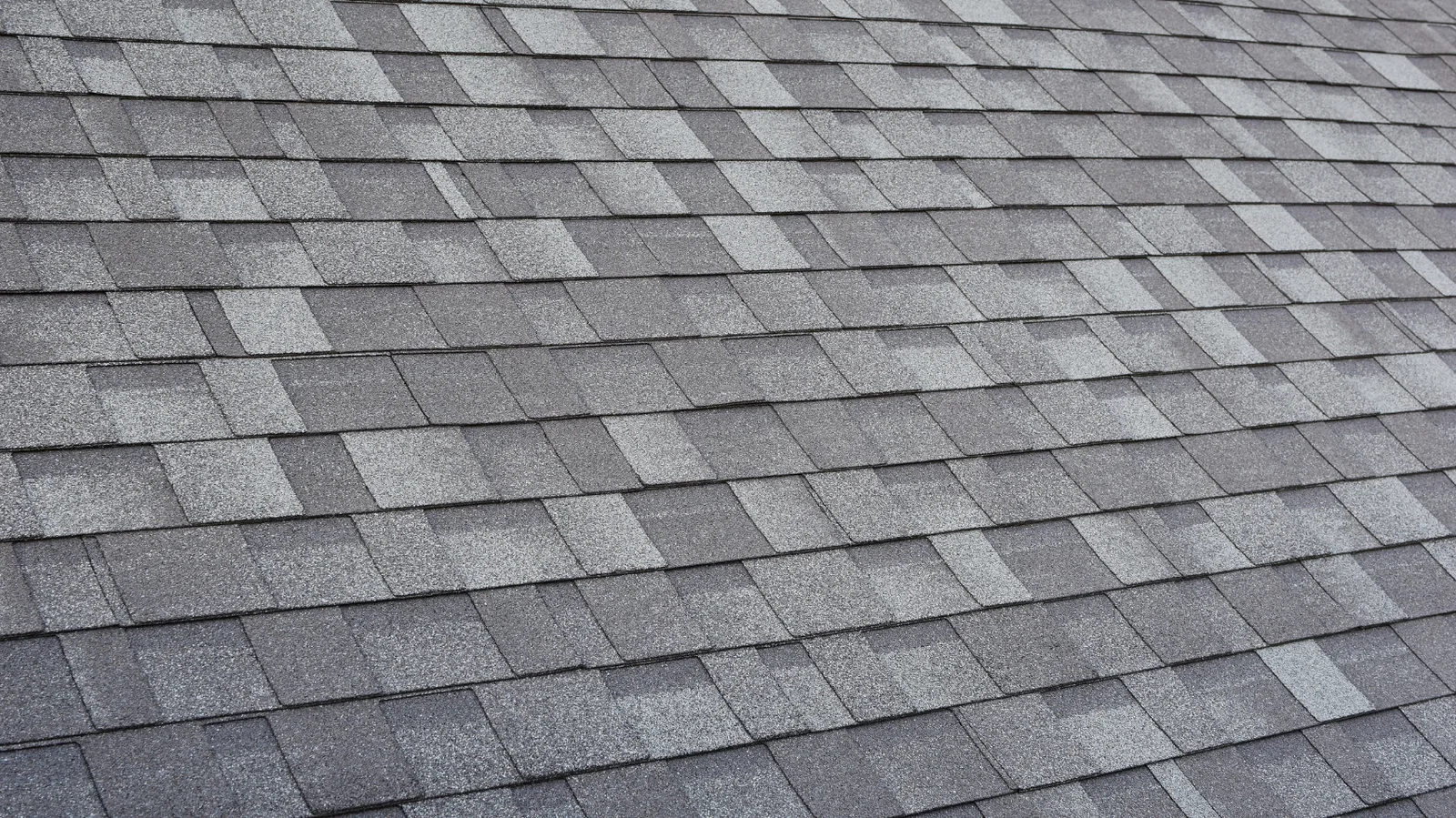
An impact rating is a test result
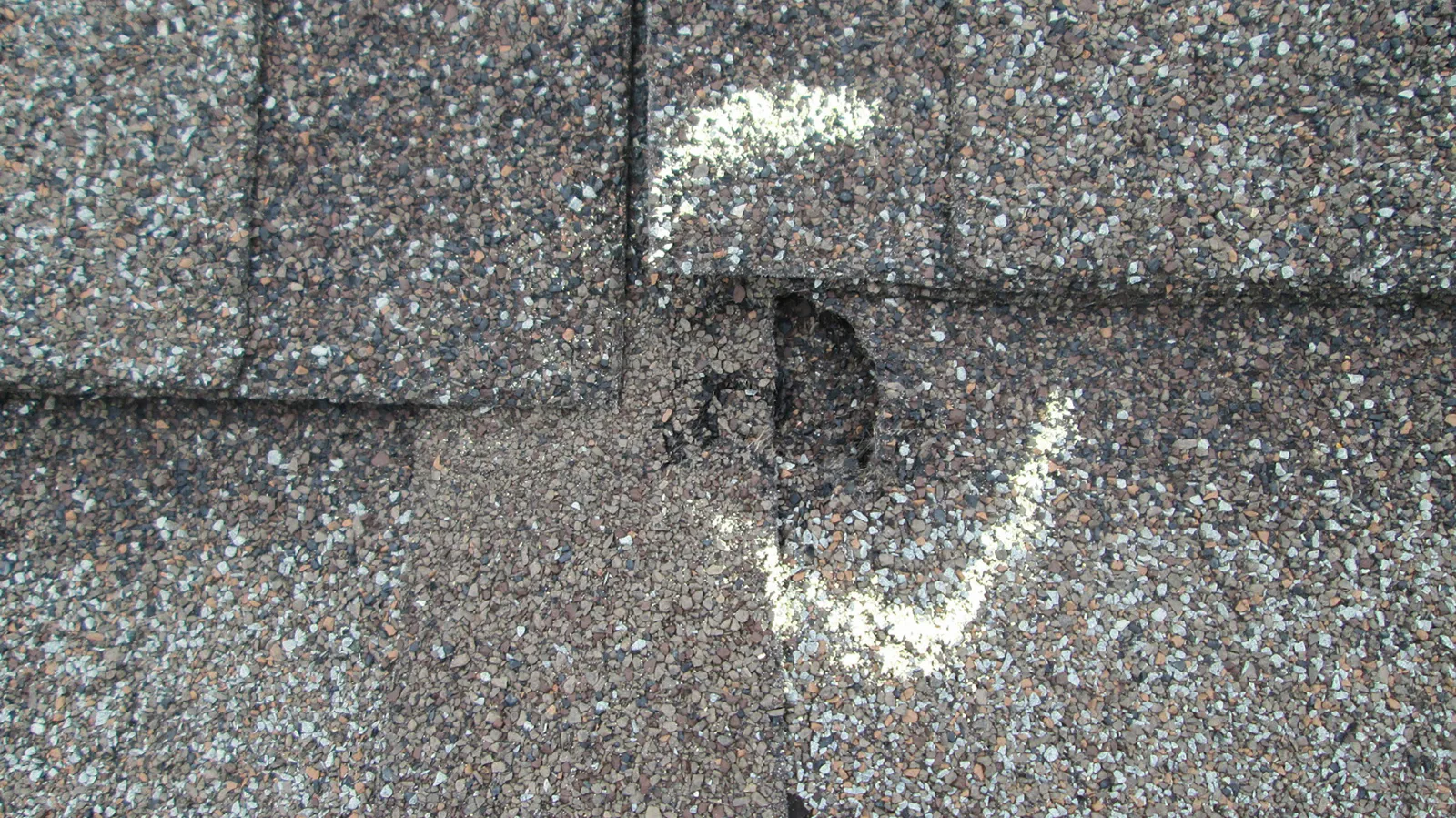
An impact rating describes performance in a specified test. It is useful product information, but real hail varies in size, hardness, angle and wind conditions. The roof’s installation and existing condition also matter.
Class 4 is not the same as “hailproof.” The Owens Corning hail bulletin identifies Class 4 products while also stating that hail damage is not covered by its cited standard and extended warranties. The actual product terms need to be read separately from the rating.
Product rating, warranty and insurance are different
These are three separate questions even when they appear together in a sales conversation.
Impact classification
A stated test result for the particular product. Confirm the exact model and test standard offered.
Product warranty
Coverage with its own terms and exclusions. An impact rating does not automatically add hail-loss coverage.
Insurance treatment
Any discount or policy benefit comes from the insurer’s eligibility rules. Do not count a saving until the insurer confirms it for your policy.
Make the upgrade a complete-roof choice
Compare the upgraded shingles within the complete replacement scope. A better-rated surface does not correct worn flashing, weak decking or an unresolved drainage detail.
For an early budget, the cost tool shows architectural and impact-resistant categories against the same area. The real difference depends on the exact product and installation quote.
Impact-resistant shingle questions
Will impact-resistant shingles always earn an insurance discount?
No. Product eligibility and policy terms vary. Ask the insurer to confirm any benefit before treating it as part of the project economics.
Can an impact-rated roof still need inspection after hail?
Yes. The rating does not establish the condition after a real storm. Visible changes or a significant impact concern can still justify assessment.